
La Paz County Court Record Requests
First, figure out which court holds the file. The Clerk of the Superior Court in La Paz County keeps felony, general civil, domestic-relations, probate, and juvenile cases. It also keeps Superior Court appellate cases. Justice Court is different. That court holds misdemeanor, DUI, civil-traffic, small-claims, eviction, protection-order, and limited civil records. Parker and Quartzsite municipal clerks keep city ordinance, misdemeanor, and traffic files. They do that for their own towns.
- Use the free statewide case index to obtain the court, case number, document title, and event date.
- Decide whether the case history, a plain document, a certified copy, exemplification, or authentication is needed.
- Try eAccess for an eligible unrestricted Superior Court civil or criminal image filed on or after July 1, 2010.
- For an omitted or older file, call, mail, or visit the responsible clerk. Ask for a fee quote and current delivery instructions.
- Use a Rule 123 request to the judicial custodian when the record is not supplied through the ordinary case channel.
You can reach the Superior Court clerk at 1316 Kofa Avenue, Suite 607, Parker, AZ 85344, by phone at (928) 669-6131, weekdays 8:00 a.m. to 5:00 p.m., excluding legal holidays. The Justice Court posts civil and criminal/traffic record-request forms on its official information page. Call before you mail any payment. The Superior Court does not publish a dedicated copy-request form or promise a turnaround time, so confirm both with the office.
Three La Paz Record Layers
A docket, a filed image, and a certified copy are three different things. The docket is the chronological index of events in the case. Behind each event sits the actual complaint, motion, exhibit, minute entry, order, or judgment. That filed image is the record itself. Certification adds the clerk's authentication to a reproduction. A printout from your browser does not come certified.
| Record layer | What it provides | Where to obtain it |
|---|---|---|
| Case history | Dates, entries, settings, status, and disposition data | Public Access or the court clerk |
| Filed document | The text and pages behind a docket event | eAccess when eligible or the owning clerk |
| Certified copy | A clerk-authenticated reproduction | The custodian or eligible eAccess certification |
This distinction stops a common mistake. An entry marked "Order" tells you an order was entered, not what the order said. Read the order itself before you describe what the court decided.
Kinds of Court Records
What sits in a La Paz County court file? It depends on the court and the case type. Public files can hold the case history, initiating pleadings, motions, minute entries, notices, and orders. They may also hold judgments and post-judgment material. Criminal cases may add charges, pleas, bond events, dispositions, and sentence records. Civil cases may add service, answers, writs, garnishments, and satisfactions.
- Case histories and chronological event registers
- Complaints, petitions, answers, motions, and responses
- Minute entries, notices of setting, orders, and judgments
- Public criminal charge, plea, disposition, and sentence records
- Public civil, probate, family, and post-judgment documents
- Transcripts ordered through the reporter or authorized transcription channel
A transcript cannot be rebuilt from a docket. Ask the judicial division or clerk who reported the proceeding and how to order a copy. La Paz County publishes no official transcript fee, so ask for a current quote.
La Paz eAccess Records Since 2010
Arizona eAccess covers unrestricted Superior Court civil and criminal cases filed on or after July 1, 2010. It is a registered, paid service. A first-page preview carries an "UNOFFICIAL" watermark. Buy a document and you get 24 hours to view or download it, and sealed or restricted images are left out.
Case Details can show case information, unrestricted parties and attorneys, criminal charges, event information, and hearings. An event may carry a preview icon or a cart icon. Or it may say the document is not available online. When an image is missing, the case predates the portal, or you need certification or a raised seal, the clerk is still the place to go.
Certification choice: eAccess electronic certification costs $39, while the local Superior Court schedule lists a $35 certificate of correctness plus page charges. Ask the recipient which form is accepted.
Court Records: What They Contain
Read a full public case file in order. Begin with the number, court, type, and status. When a document matters, match its docket event to the actual filing. Then find the signed ruling or judgment, because a motion, plea, or hearing entry is not the final result on its own.
| Case number | The court's unique identifier, including a type prefix and year where used. |
|---|---|
| Case history | The chronological register of filings, hearings, rulings, and disposition events. |
| Pleadings | Complaints, petitions, answers, motions, and responses filed by the parties. |
| Orders and judgments | The court's directions and final or appealable determinations. |
| Hearing records | Notices, dates, hearing types, minute entries, and results when public. |
| Exhibits | Filed evidence or attachments, subject to redaction, sealing, and access limits. |
The statewide court filing-fee hub is an official fee source.
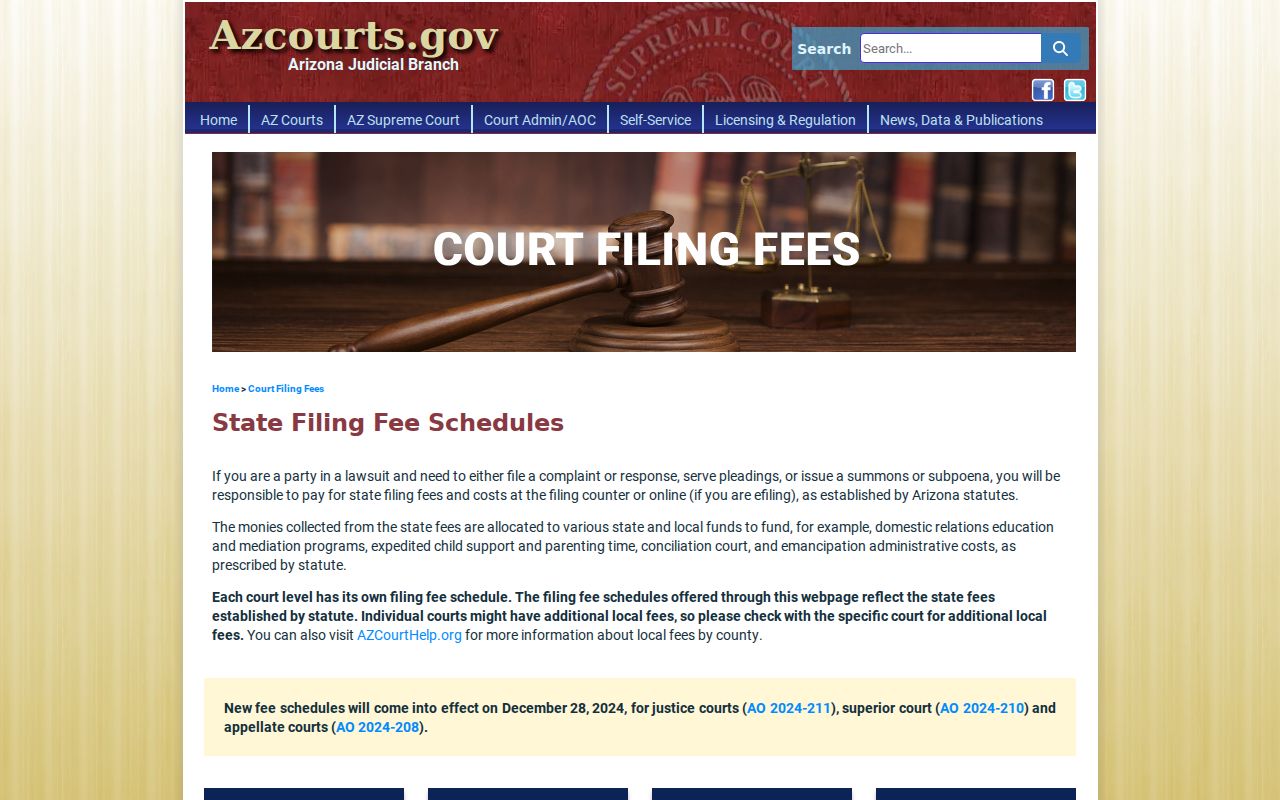
Filing fees and copy fees are separate charges. Use the schedule that fits the specific service and court.
La Paz Justice Record Forms
La Paz County Justice Court publishes two purpose-specific request forms. One handles civil, eviction, small-claims, injunction, and protection-order records. The other handles criminal and civil-traffic records. Splitting them this way helps the clerk route each request to the right file group. The Justice Court page says record fees must be paid by cash or money order. A cashier's check also works. Its broader court-payment policy mentions cards with a service fee. Do not stretch that rule to a record request. The records instructions state the narrower payment methods. Call (928) 669-2504 if the payment step or delivery method is unclear. A strong request gives the requester, mailing contact, court, case number, caption, record category, date range, and copies sought. Add the certification choice and delivery choice. Read the exact printed fields from the current court form rather than an old copy. Note: Keep the payment receipt and any certification page with the delivered record. That matters if another office will see the copy.
Copy Fees and Certification
Local fee schedules separate page charges, certification, research, and higher authentication levels. The Superior Court figures below come from the schedule effective December 28, 2024. Justice Court figures come from its published information page. Page count and search work move the total. Get a quote before you order.
| Service | Superior Court | Justice Court |
|---|---|---|
| Plain copy | $0.50 per page | $0.50 per page |
| Certified copy | $35 certificate plus pages | $33 published fee |
| Exemplification | $70 plus copies as applicable | Not located |
| Authentication | $105 plus copies as applicable | Not located |
| Research or location | $35 per year or source | $33 |
| Film or alpha-index year | $35 plus page charges | Not located |
Clerk of the Superior Court
1316 Kofa Avenue, Suite 607
Parker, AZ 85344
Monday through Friday, 8:00 a.m. to 5:00 p.m.
(928) 669-6131
A.R.S. §12-284 addresses Superior Court clerk fees.
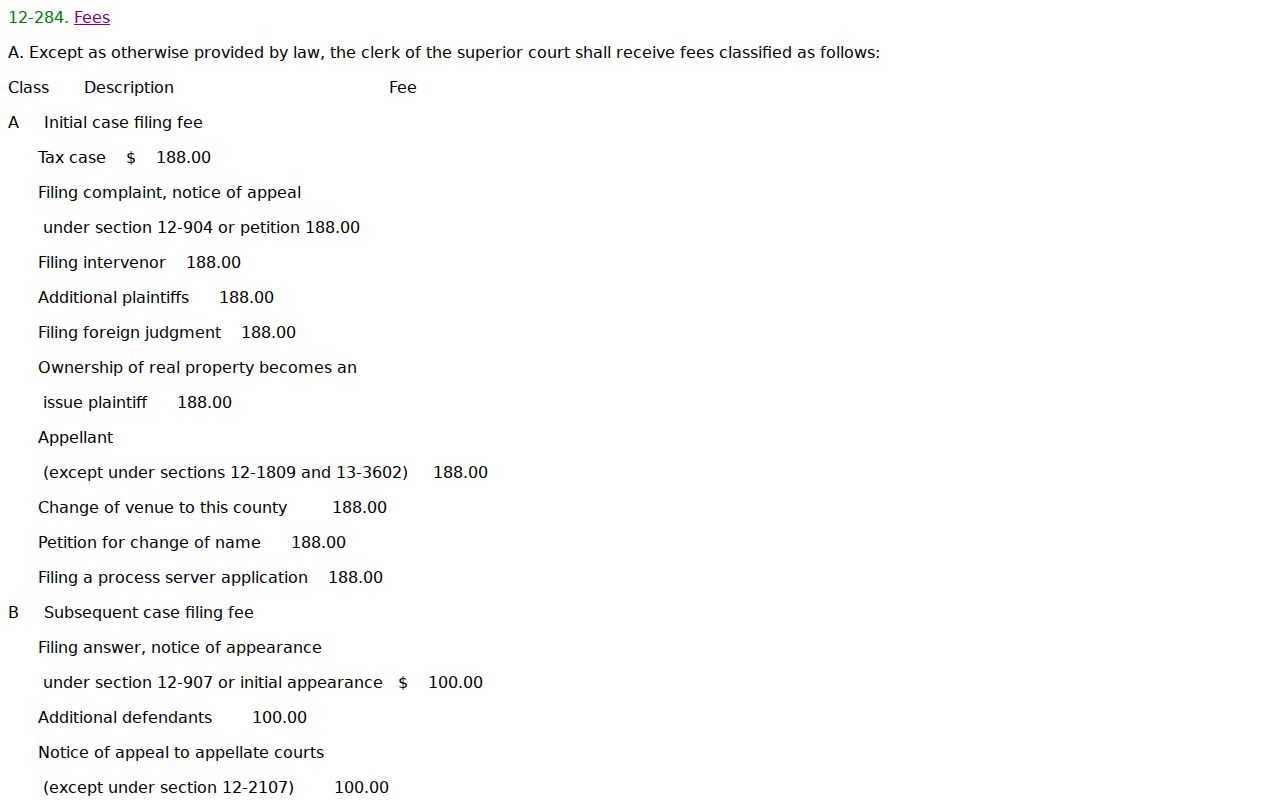
The statute and local schedule show why one order can stack per-page charges with a separate clerk service. Read both before you pay.
La Paz Archived Court Records
Old files take a different route than the online docket. The fee schedule charges separately for film work and alpha-index lookups, which tells you staff research is part of the deal. Age matters too. La Paz County was carved from northern Yuma County in 1983. An older case may still sit in Yuma County depending on when and where it was filed.
No case number? Give the clerk the court, the rough year, the party or caption, and the type of record. Ask whether the file lives in a local index, on film, or somewhere else entirely. Expect a wait. The office has to find the right source first. The search itself may carry a fee.
The clerk's authority to furnish court copies comes from A.R.S. §12-117, and that official statute page spells it out.
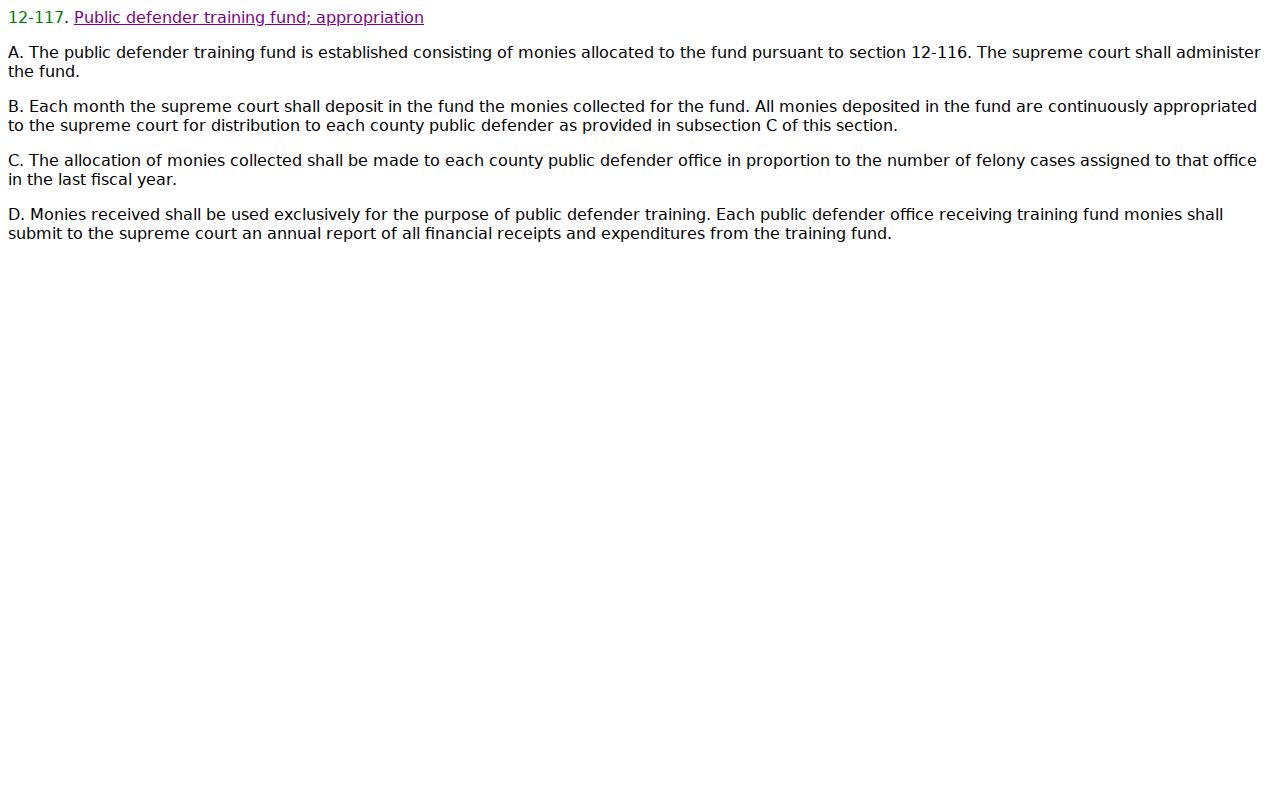
That statute is what lets the clerk supply certified copies straight from the court file.
La Paz Transcripts and Exhibits
Transcripts and exhibits are their own world. A court reporter, or an approved transcription channel, prepares the transcript. The clerk's docket entry list will never add up to a word-for-word hearing record. It does not matter how you read it. Ask the division who reported the proceeding and what order process applies.
Exhibits vary just as much. One may be public, partly redacted, restricted, returned, or sealed. Docket events may be open. Medical reports, treatment records, and protected identifiers often are not. Describe the exact exhibit and its filing date when you ask. If access is denied, request the legal basis. Ask for the Rule 123 review process too.
To search the case itself, start with the La Paz County docket search. The document request, though, goes to the court that keeps the file.
Access Rules for Court Records
For Arizona judicial records, one rule sits at the center: Supreme Court Rule 123. It reaches appellate, Superior, justice, municipal, and court-administration records alike. Public judicial records are presumed open, and the rule also maps out closed categories, access procedures, fees, cost recovery, and review. Arizona's general public-record principle adds context. It does not replace Rule 123 for court records.
Watch the vocabulary here. Sealed, closed, confidential, and redacted are not synonyms. Sealing withholds a case or record under law or order. A closed category stays shut because governing law says so. Redaction strips protected details while leaving the rest accessible. And a document missing from an online docket may simply reflect update timing, limited coverage, or a format that never made it online at all.
Key Arizona access rules:
Arizona Supreme Court Rule 123 governs public access, closed judicial records, requests, and review.
A.R.S. §39-121 states Arizona's general public-record inspection principle.
A.R.S. §8-208 sets juvenile-record access limits.
The Arizona Judicial Branch tracks recent Supreme Court rule amendments.
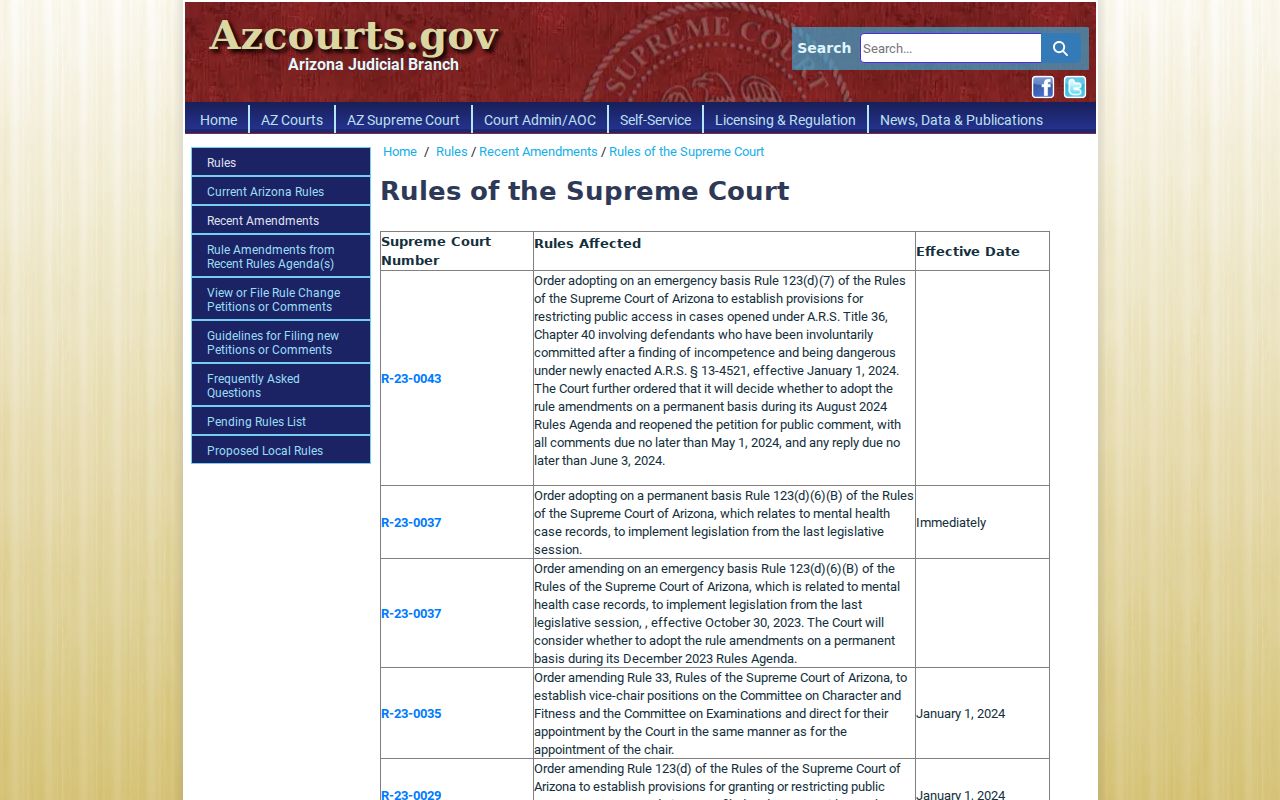
Recent amendments added confidential categories, so the current rule and the custodian's answer govern each request.
Note: A missing online image proves nothing. It does not mean the case is sealed, nor that the clerk can never hand you the document.